Back-to-School Reboot

Returning After Winter Break: Why the Transition Is Hard — and How to Help Kids Thrive!
Every January, parents and educators feel it: the shift from holiday rhythms back into school routines. For many families, this transition can feel surprisingly bumpy. Kids who were joyful and relaxed during the break suddenly seem frustrated, emotional, or overwhelmed. Parents wonder if they’re doing something wrong. Teachers brace for an adjustment period. And children, who often can’t articulate the sudden wave of big feelings, show us through behavior, resistance, or fatigue.
If this sounds familiar, you’re not alone. The post-holiday transition is challenging for most kids— even the ones who appear confident, independent, or adaptable. The good news? With a little foresight and a few simple strategies, this season can become a time of growth, reconnection, and smoother rhythms for the entire family.
As a former school principal and now a homeschool mom, I’ve watched hundreds of children walk back into classrooms after winter break. The pattern was consistent across ages, learning styles, and personalities. The return wasn’t difficult because children were unprepared or “behind.” It was difficult because holidays change the pace of life— and children feel that shift deeply.
Below are the most common stress points kids experience during this season and supportive ways families can ease the transition back into learning, whether sending kids back to the classroom or jumping back into your homeschool routines.
Routine Whiplash: When Holiday Flexibility Meets School Structure

During the break, kids wake up naturally, follow a slower rhythm, and enjoy long stretches of unstructured play. Then suddenly, the pace changes. Early mornings return. Social expectations increase. Cognitive demands pick back up immediately. And for many children, that contrast is a lot for their nervous systems to manage.
Why it feels overwhelming: Children thrive on predictability, but they also thrive on rest. The holidays give them that rest— and letting go of it quickly can feel jarring.
What helps: Re-establishing your routine gradually instead of all at once can make a meaningful difference. The week before school resumes, bring back just one element of structure at a time. A consistent wake-up window. A predictable evening routine. A simple visual schedule on the fridge. The goal is not strictness, it’s stability.
You can also support their transition by adding small “routine anchors” throughout the day. These could be things like:
- Ten minutes of quiet reading in the morning
- A short walk or stretch break after school
- A predictable after-dinner ritual, like a board game or shared activity
- A consistent bedtime routine
These anchors help kids feel grounded when everything else is shifting.
Academic Rustiness: Completely Normal

Parents often worry when their children seem “out of practice” academically after a long break. Maybe reading stamina is lower, math facts feel slower, or attention wavers more easily. Let me reassure you: this is normal and temporary.
In my years as a principal, it was the same observation yeaf after year. Kids need a warm-up period. Winter break is long enough for skills to soften, but not long enough to be concerning. Within a week or two of gentle re-engagement, most children return to their typical pace.
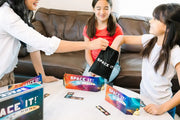
What helps: Instead of pushing them back into full academic intensity right away, try reintroducing learning through connection and curiosity. A family board game night is a great way to rebuild stamina without pressure. Games strengthen strategic thinking, attention, collaboration, emotional regulation, and academic foundations— all while kids simply feel like they’re enjoying time with you.
The goal isn’t to accelerate; it’s to reawaken their learning mindset safely and confidently.
Emotional Re-entry: The Feelings Behind “Hard Behavior”

The emotional transition is often the biggest and least visible one. Kids go from extended time with their families, flexible schedules, cozy routines, and low demands to a more structured, socially complex environment. That shift alone can cause irritability, worry, or withdrawal, especially in younger children.
During the first week back, many kids experience:
- Separation anxiety
- Mood swings
- Sensory overwhelm
- Lower frustration tolerance
- Tiredness that looks like “acting out”
This doesn’t mean something is wrong. It means their emotional bandwidth is recalibrating.
What helps: Reassurance, connection, and predictability.
A few ideas:
- Give them “buffer time” when they get home — twenty minutes to decompress, play, or rest before asking questions about their day.
- Use consistent language like, “Transitions take a little time, and that’s okay.”
- Keep afternoons intentionally calm during the first few days back.
- Build in one connection point every day — a walk, a game, reading together, or a shared snack.
- Children will regulate more quickly when they feel emotionally anchored.
Social Transitions: Re-entering Peer Dynamics

For some kids, returning to a peer driven environment, whether in classroom, in co-ops, or small groups, can feel exciting. For others, it’s overwhelming. Even outgoing children need time to recalibrate. The holiday break temporarily removes performance pressure, group expectations, and social problem-solving. Returning to friendships, group work, and crowded environments can feel intense at first.
What helps: Practice simple social scripts at home:
“If I don’t know what to say, I can ask a friend what they got for the holidays.”
“It’s okay if I need a quiet moment. I can always ask for a break.”
“Everyone needs time to warm back up.”
Play-based interactions at home, like family game nights, can help rebuild cooperation, communication, and emotional flexibility in a low-pressure way.
Physical and Sensory Reset: The Overlooked Factor

Children often struggle not because of academics, but because of sensory or physical changes. During the break, their bodies move differently. They sleep longer. They’re exposed to different sounds, temperatures, and environments. Returning to school activates every sensory system at once.
What helps:
- Prioritize sleep in the days leading up to the return.
- Ensure hydration and balanced meals (their bodies are adjusting too).
- Include physical outlets: family walks, outside play, or light movement before school.
Tip: A child who feels physically regulated will transition more easily.
Using Play as a Transition Tool

The concept of play itself is incredibly valuable during this season of change. Play builds emotional resilience, cognitive flexibility, and connection. It also acts as a bridge between holiday ease and school structure.
Game time can:
- Re-establish attention and focus
- Strengthen patience and turn-taking
- Support problem-solving skills
- Reduce anxiety by offering predictable, shared activities
- Build confidence through low-stakes challenge
Families don’t need to overhaul their schedules. Look for windows of fifteen minutes to encourage solo and group play can make a significant difference.
Reframing the Return: A Fresh Start Instead of a Struggle

Kids take their cues from us. If we treat the transition as stressful, they will too. But if we frame it as a reset— a fresh start, a chance to learn new things, reconnect with friends, and build new momentum— they feel that energy.
A few reframing lines you can use:
“We’re easing back into our rhythm together.”
“Your brain is warming back up — that’s part of learning.”
“New beginnings take time, and you’re doing great.”
Small language shifts create big emotional shifts in children.
What I Saw as a Principal (and What Actually Helped Kids Thrive)
Across years of return-from-break transitions, the most successful students weren’t the ones who jumped back into strict routines or pushed themselves academically right away. The ones who adjusted best had families who focused on:
- Connection before correction
- Gentle re-entry instead of immediate intensity
- Predictable routines at home
- A focus on regulation, not performance
- Time for play and decompression
- A supportive tone around the transition
Children thrive when they feel safe, rested, and connected, not rushed or pressured.
Final Encouragement for Families

If your child struggles in the days after winter break, it’s not a sign of failure. It’s a sign they are human.
Transitions require time. Nervous systems need recalibrating. Routines need rebuilding. Confidence needs a warm-up period. And every child, no matter their learning environment, benefits from patience, connection, and gentle structure.
The return-to-learning season doesn’t have to feel heavy. With intentional rhythms and a focus on emotional and physical well-being, families can turn this challenging week into a season of renewed momentum and deeper connection.
And remember: you’re not alone in navigating it. Families everywhere are finding their footing right alongside you.
Xoxo,
Mandy